




Description
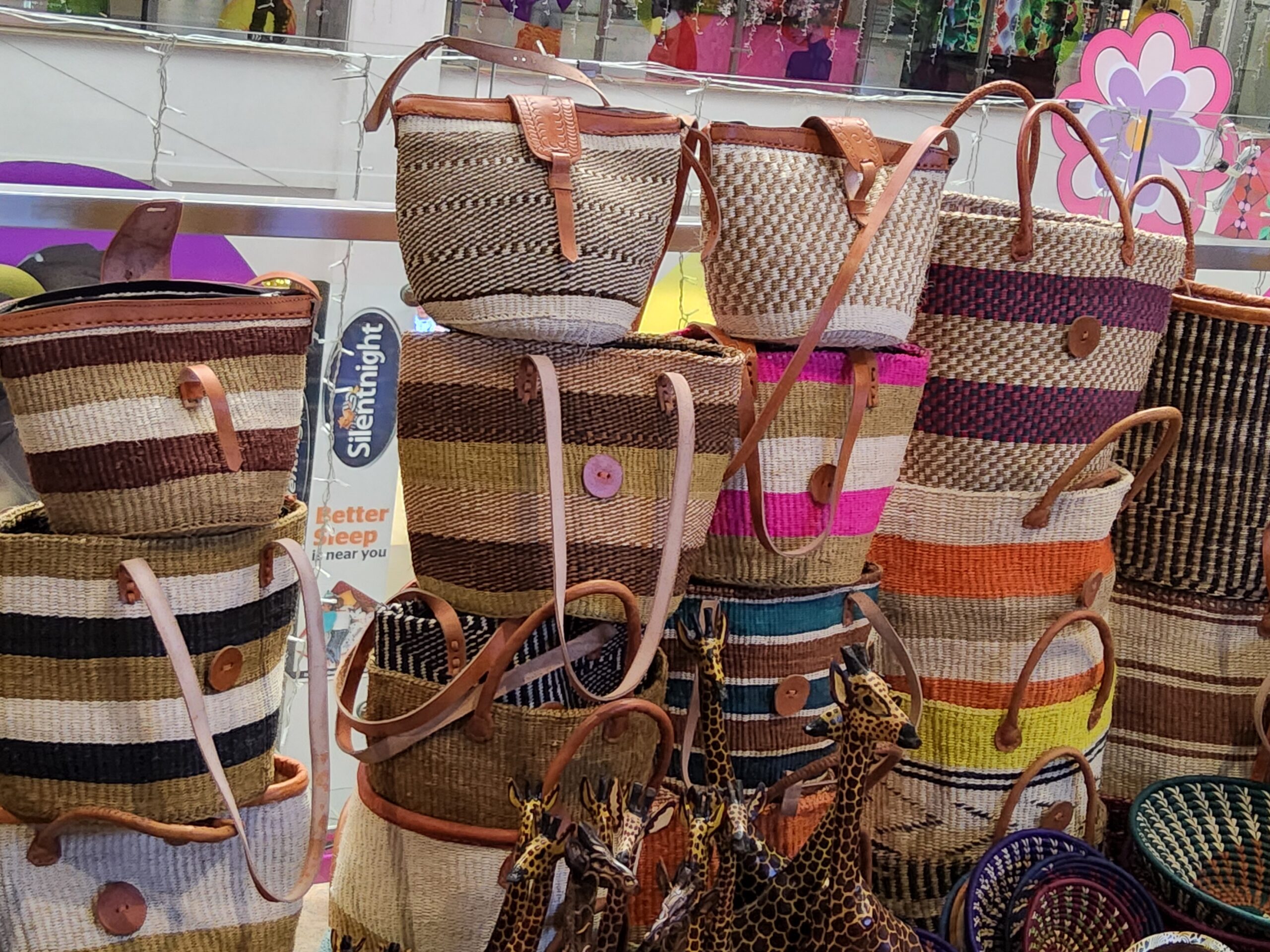
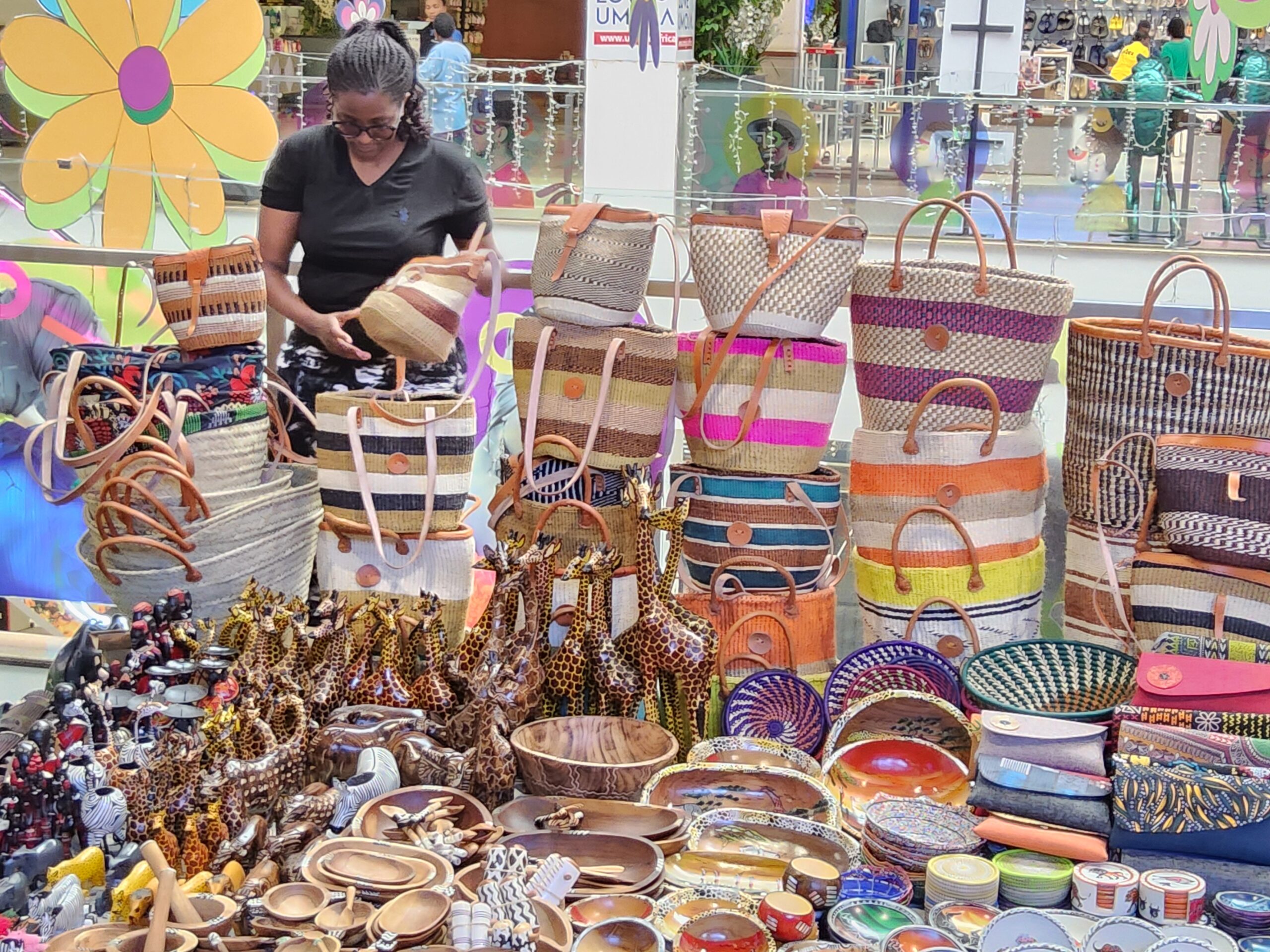
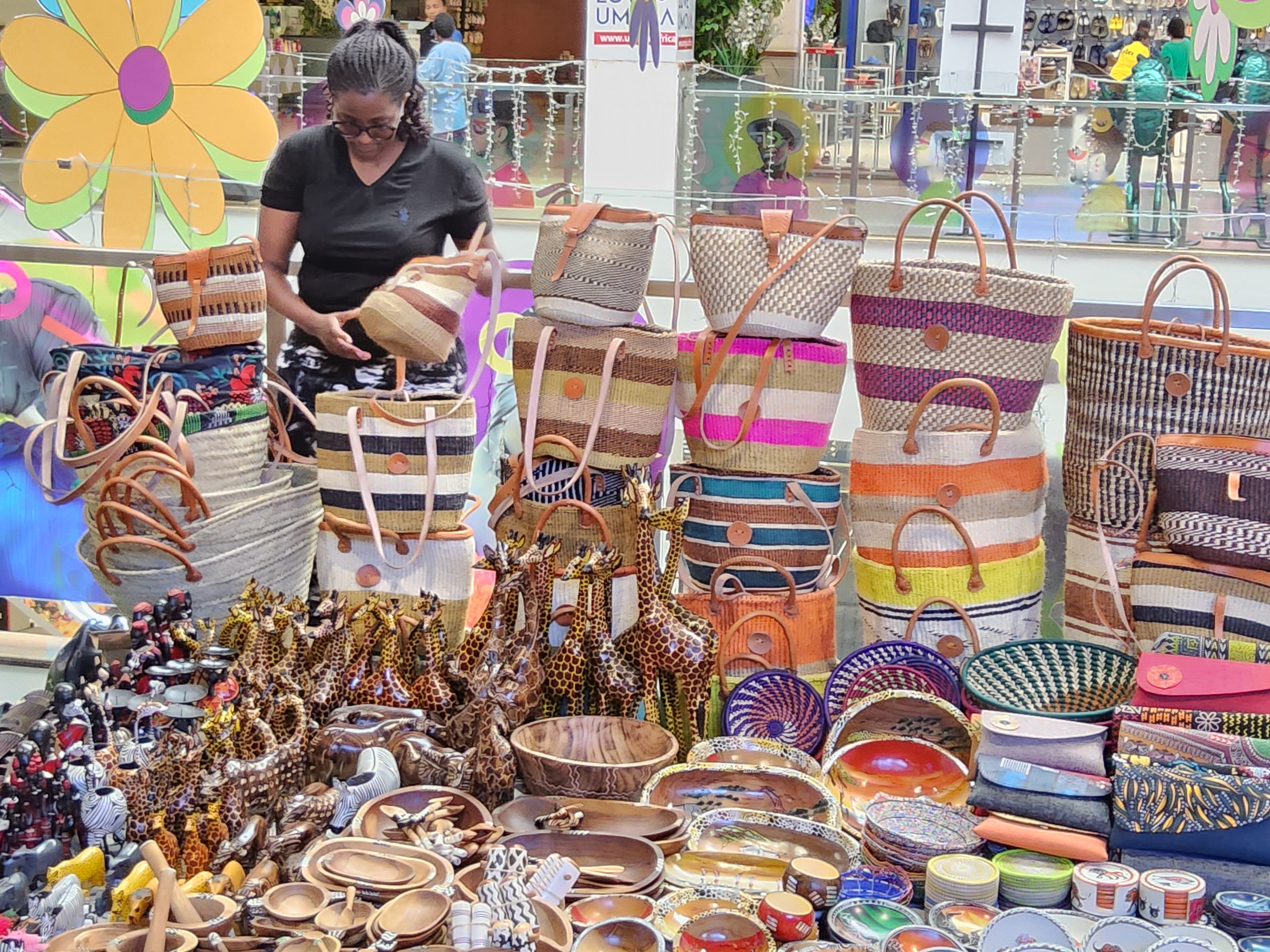 A Kiondo (plural: vyondo) is a traditional hand-woven bag or basket, deeply rooted in Kenyan culture, particularly among the Kikuyu and Kamba communities. Originally created as a durable, utilitarian item, it has evolved into a world-renowned fashion and home decor accessory, celebrated for its craftsmanship, durability, and eco-friendly nature.
Key Characteristics
- Material: The primary material is sisal, a strong and sustainable natural fiber extracted from the leaves of the Agave sisalana plant.
- Traditional: Historically, Kiondos were made purely from sisal fibers, sometimes combined with other indigenous plant fibers like banana bark.
- Modern: Today, many Kiondos incorporate other materials. You will often find them woven with colorful wool or upcycled plastic threads to create intricate patterns. Leather is very common for trimmings, sturdy bases, and handles or shoulder straps.
- Weaving Process: The creation of a Kiondo is a meticulous and labor-intensive art, traditionally passed down from mother to daughter.
- Harvesting: Sisal leaves are harvested, and the inner fibers are extracted.
- Preparation: The fibers are dried, and then hand-spun or rolled (often against the weaver’s thigh) into a strong twine.
- Dyeing: The twine is dyed in various colors, traditionally using natural pigments from tree bark, soil, and plants. Modern weavers also use vibrant synthetic dyes.
- Weaving: Using a simple twining or coiling technique, the weaver meticulously interlaces the threads by hand. This process can take anywhere from several days to two weeks for a single basket, depending on its size and complexity.
- Appearance: Kiondos are known for their sturdy, structured shape (often cylindrical or bucket-shaped) and their vibrant, striped patterns. Modern designs come in a vast array of shapes, sizes, and color combinations, from earthy, natural tones to bright, multicolored patterns.



Reviews
There are no reviews yet.