
Description
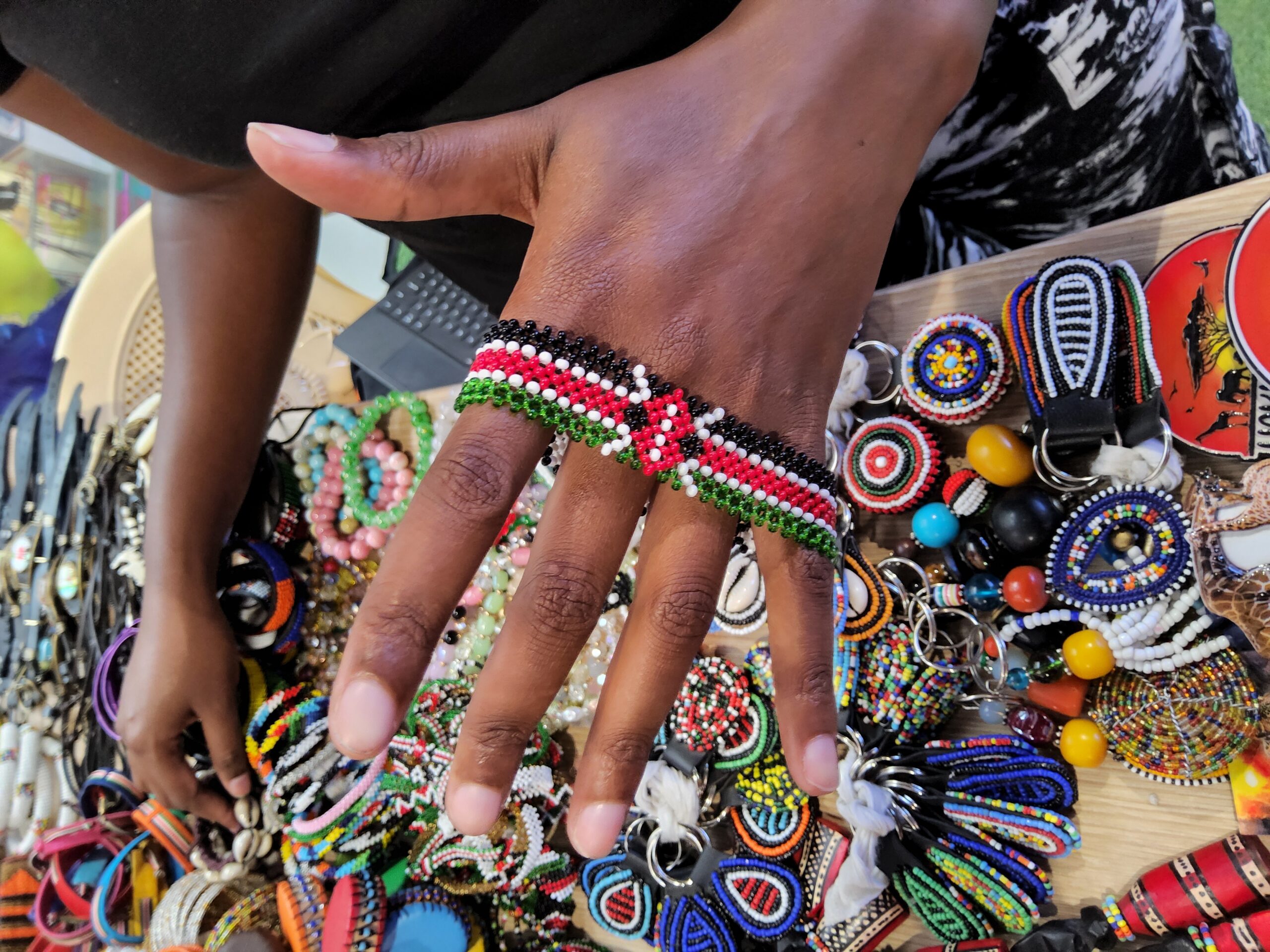
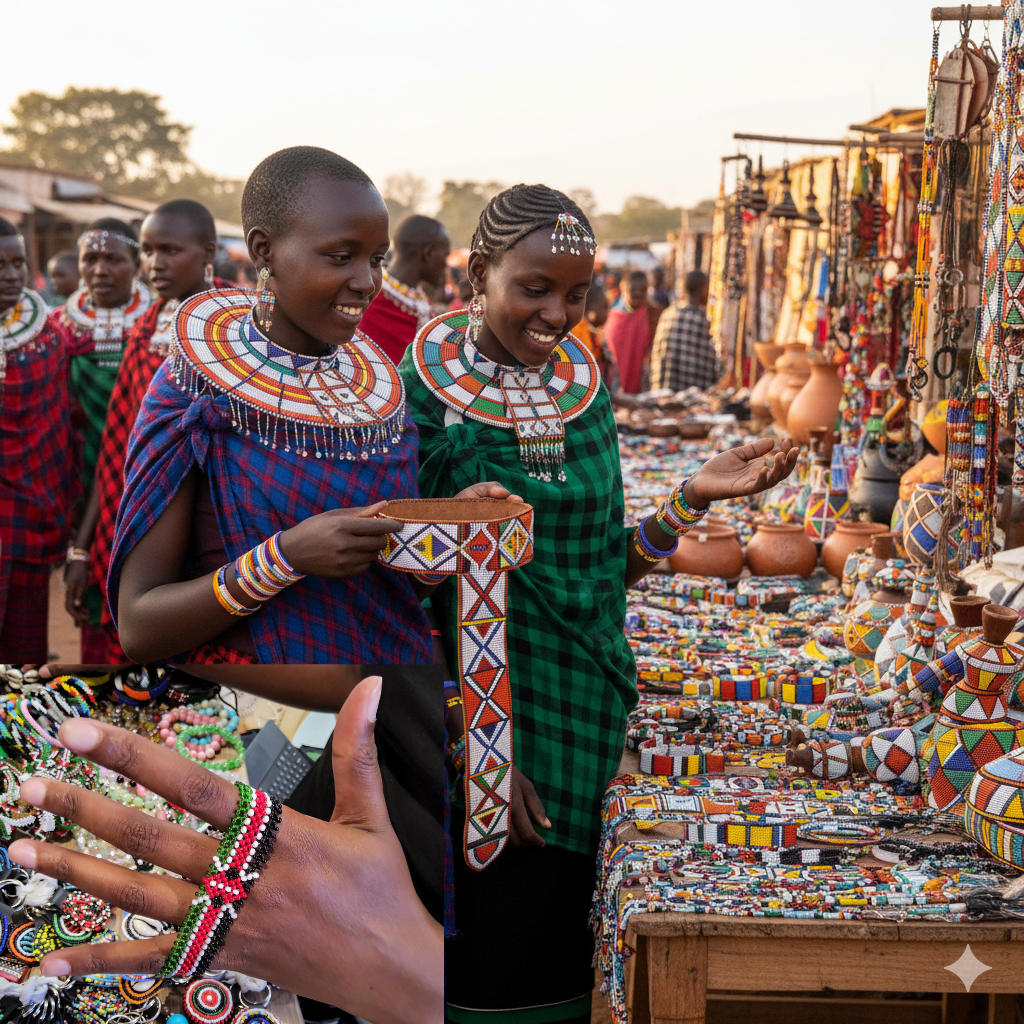
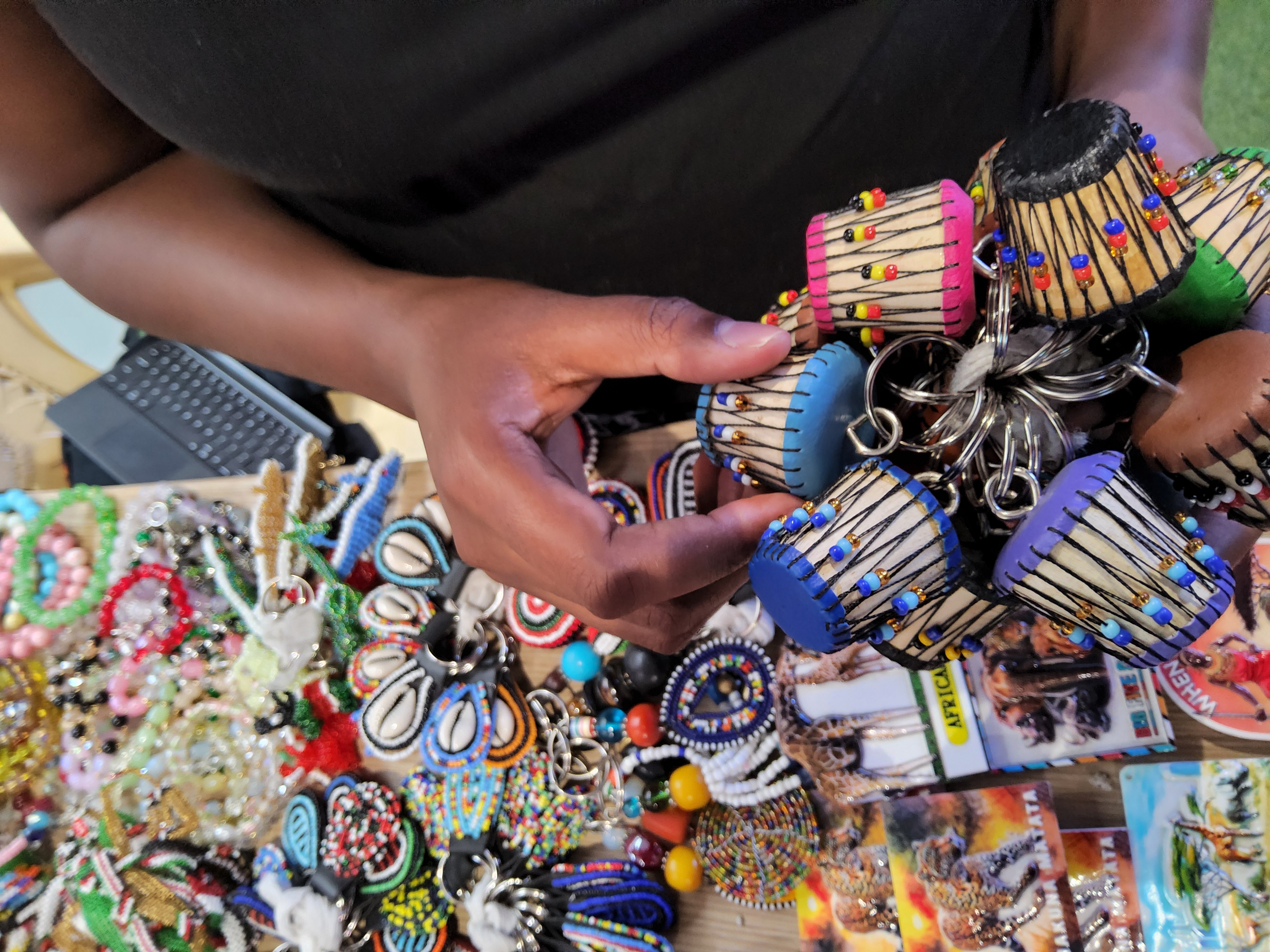 Kenyan bracelets are most famously represented by the intricate Maasai beadwork, a craft that is both a beautiful art form and a complex visual language. While other communities also have beading traditions, the Maasai style is the most recognized internationally.
1. Maasai Beaded Bracelets
These are the most iconic Kenyan bracelets. Traditionally made by women, the beadwork is deeply symbolic and communicates key social information.
- Materials:
- Traditional: Before European contact, beads were made from natural materials like clay, seeds, bone, ivory, and ostrich eggshells.
- Modern: Today, they are primarily made from colorful glass beads, which are meticulously sewn onto a durable leather base or woven together with strong thread or fishing line.
- Cultural Significance (The “Visual Language”): The colors and patterns of a bracelet can tell a story about the wearer’s:
- Social Status: Whether they are married, single, or a warrior.
- Age-Set: Identifying which group of peers they belong to.
- Wealth: Indicated by the quantity and quality of the beadwork.
- Life Events: Special pieces are made for ceremonies like weddings, warrior graduations, and births.
- Symbolism of the Colors: Each color has a specific meaning, often tied to the Maasai’s environment and values:
- Red: Represents bravery, strength, unity, and the blood of the cattle.
- White: Symbolizes peace, purity, and health (associated with cow’s milk).
- Blue: Represents the sky, which provides life-giving rain (energy, sustenance).
- Green: Symbolizes the land, vegetation, and the health of the community.
- Black: Represents the people, their struggles, and their resilience.
- Orange / Yellow: Stand for hospitality, warmth, and friendship.


Reviews
There are no reviews yet.